






















Background Music Strategy
10 Minute Read
2026 Music Licensing Guide for Business Owners

Understanding music licensing for business is crucial for avoiding copyright penalties while enhancing customer experience. These days, it feels like playing music in public places is almost a necessity to maintain customer satisfaction, leading many business owners to ask, “Do I need a license to play music in my business?”
Luckily, obtaining a legal music license for your business is straightforward if you know where to look. If you’re a business owner, keep reading to learn everything you need to know about music licensing laws.
Why You Need a Music License for Your Business
Whether you run a boutique salon, a restaurant, or a national retail chain, the moment music becomes part of your customer experience, it also becomes subject to copyright law. Understanding how to legally play music in your business is essential to avoid fines, protect your brand, and ensure that the creators behind the music are fairly compensated.
Before you press play, here’s why getting licensed matters:
- Legal Protection: Playing unlicensed music in a commercial space can result in steep fines and copyright infringement penalties, sometimes thousands of dollars per violation.
- Financial Safeguard: Proper licensing helps you avoid costly lawsuits, back-pay demands, or retroactive licensing fees from performing rights organizations (PROs).
- Brand Integrity: Ensuring you’re compliant helps you maintain a polished, professional environment and avoid negative PR tied to copyright disputes.
- Support for Artists: A valid music license ensures royalties go to the songwriters and publishers who created the music you’re using to improve your customer experience.
Want a deeper dive into music licensing law? Visit our Ultimate Guide to Music Licensing for Business for a full breakdown.
Can You Play Music in Your Business Without a License?
According to music licensing laws, you must obtain a music license if you perform, use or play music in your business or organization. Business owners can only play background music or perform copyrighted music if they follow laws on playing music in the workplace and the relevant copyright holder (those who own the music) gives express permission.
Why We Play Music in Public Places
Business owners, small and large, recognize the impact of background music. Music can entertain, set the mood and create a unique atmosphere for guests. Typical examples of playing music in public places include:
- Background ambiance in cafes and restaurants to set a certain mood.
- Upbeat music at the start of a meeting or event to motivate and excite attendees.
- Hold music for business phone lines.
- Energetic and exciting music in gyms to provide energy to customers.
- Relaxing music in spas or massage clinics to relax clients.
- Modern music in retail stores to create hip shopping environments.
Although music offers many benefits, you can’t reap those rewards without proper music licensing for business.
All About the PROs
To legally play music in your business, you need permission from the organizations that manage the rights of songwriters, composers, and publishers: the PROs. They’re the ones who grant (and enforce) the right to publicly perform copyrighted music.
These organizations are listed by name in U.S. copyright law to be music licensing intermediaries. Each PRO represents different songwriters and publishers, collecting licensing fees for public performances and distributing them to the artists and publishers.
If your business plays music from numerous artists, you may need coverage from more than one PRO, depending on who owns the songs. These PROs are central to understanding how to legally play music in your business.
Here’s a breakdown of the four major U.S. PROs:
- ASCAP (American Society of Composers, Authors and Publishers)
Covers over 18 million musical works across every genre. Represents more than 935,000 members, including some of the most well-known artists, composers, and publishers.
- BMI (Broadcast Music, Inc.)
Licenses more than 20.6 million musical works. Known for its massive catalog of mainstream hits and representation of over 1.4 million songwriters, composers, and publishers.
- SESAC (Society of European Stage Authors and Composers)
A smaller, invitation-only PRO that covers about 1 million works. It focuses on select publishers and songwriters across radio, television, and commercial music.
- GMR (Global Music Rights)
The newest and most exclusive of the four. GMR represents a highly curated group of high-profile artists and songwriters, including music that may not be covered by ASCAP, BMI, or SESAC.
Important: Most businesses will need licenses from all four PROs to be fully covered—unless they use a commercial music service like SiriusXM Music for Business, which includes blanket licensing across all four in one simple subscription.
How to Legally Play Music in Your Business
If you’re wondering how to legally play music in your business, there are a few key steps you must follow to ensure you’re compliant with music copyright laws:
Step 1: Determine if Your Business Needs a License
If your business plays music in any public space, whether it’s through speakers, live performances, or even as hold music, you will likely need a commercial music license. This applies to restaurants, retail stores, gyms, offices, and any other establishment where music is played for public consumption.
Step 2: Choose a Licensing Option
There are two main ways to legally play music in your business:
- Obtain a License from PROs: Performing Rights Organizations (PROs) like ASCAP, BMI, GMR, and SESAC collect fees for public performances of music and distribute them to songwriters and publishers. You will need to apply to one or more PROs and pay the associated fees to legally play music in your business.
- Use a Music Streaming Service for Business: Platforms like SiriusXM for Business handle all the required music licensing for you. When you subscribe, you’re covered under their agreements with all the major PROs, so you don’t have to worry about obtaining separate licenses.
Step 3: Understand the Penalties for Non-Compliance
Playing music without the proper license can result in fines for each violation. Ensuring you have the right license or subscribing to a compliant service protects your business from these penalties.
Step 4: Maintain Your License
Music licenses are typically valid for one year, so be sure to renew annually to stay compliant. If you use a service like SiriusXM for Business, they’ll handle this process for you.
How Music Licensing for Business Works
A commercial music license exists to allow businesses to legally play music in public spaces.
- Ownership of Music:
- Just like movies, every song is owned by its creator—the artist or music publisher. Businesses do not automatically have the right to play music publicly, even if they own a copy of the song.
- The Need for a License:
- Similar to how a movie theater needs a license to show films, businesses must purchase a license to play music. This license allows businesses to legally use music to enhance their environment and keep customers engaged.
- Music Licensing Fees:
- The fees businesses pay for a music license are collected and distributed to the artists and music publishers, much like movie royalties are paid to film studios.
- Consequences of Not Having a License:
- Playing music without the proper license can result in fines ranging from $750 to $150,000 per infraction. This applies to all types of businesses, from cafes to retail stores, making it essential to secure the correct licenses.
This guide to music infringement notices offers details for businesses.
- Playing music without the proper license can result in fines ranging from $750 to $150,000 per infraction. This applies to all types of businesses, from cafes to retail stores, making it essential to secure the correct licenses.
Can a Business Use Streaming Services Like Spotify or Apple Music?
Even if a business owner has a paid membership to streaming services like Spotify or Apple Music or has legally purchased music, they cannot play it in their business without a proper license. According to music copyright laws, purchased or streamed music is still owned by the copyright holder and licensed only for personal use. When played in a business for commercial purposes, a commercial music license is required to compensate the artists and music publishers.
What Music Can a Business Play Without a License?
There are two broad categories of music that can be performed legally without the need to obtain a public performance license to play music in a business from a PRO:
- Music that holds no copyright. This includes public domain music and music available under a CC0 (No Rights Reserved) music license. Typically, public domain music is music originally copyrighted prior to and including 1922.
- Music created by a musician or composer who is not affiliated with any PRO.
With music copyright laws in mind, you might be asking, how can I legally play music in my business? Here’s what you need to know.
What Is a Public Performance License?
According to U.S. copyright law, a public performance of music is noted as music performed in a place open to the public or any site where a substantial number of people outside of a normal circle of family and their ordinary social acquaintances is gathered. Music copyright laws in other countries might differ but generally have similar definitions.
Some common examples of when you’d need a public performance license include:
- Live Performances
- Background Music at Establishments
- Music on Hold
- Radio or Television Broadcasts
- Music Played During Events
- & More
If you want a license to play music for your clients or customers, you need a public performance license from a performing rights organization in your country. A public performance license costs around $50 to $150.

SiriusXM Music for Business Takes Care of Music Licensing for You
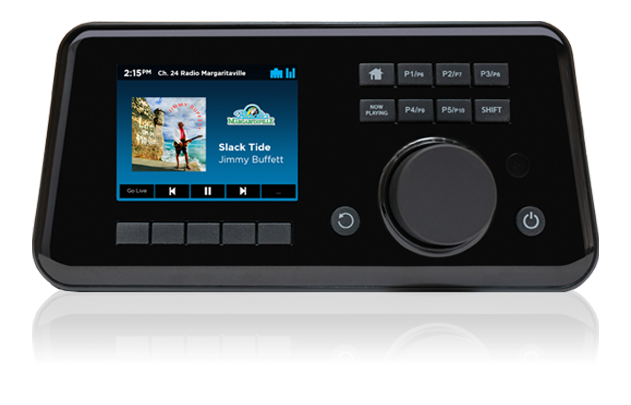
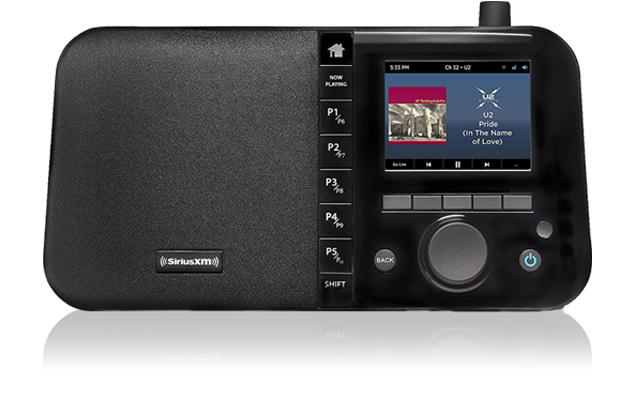
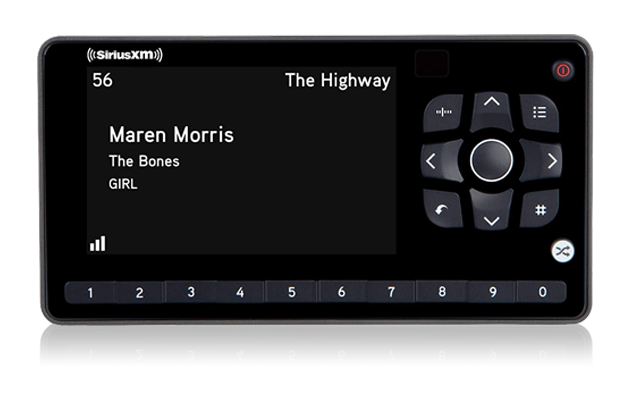
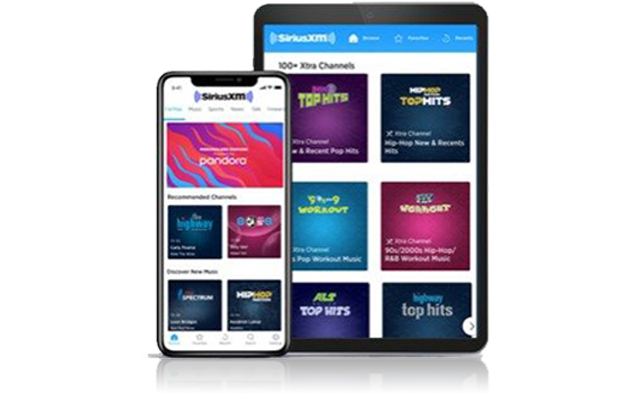
Forget the complicated matter of looking into music licensing laws yourself and switch to SiriusXM Music for Business. We’ve already done the hard work. All you have to do is play background music in your establishment. When you order SiriusXM Music for Business, you get access to 240+ SiriusXM music channels, 100+ Xtra channels, exclusive business-only radio stations and access to over 10,000 Pandora artists, which you can legally play from any device in your shop. We also offer dedicated music players complete with everything you need to start listening right away. Start your streaming services today and help create a more enjoyable atmosphere for your customers!
Common Misconceptions About Playing Music in Your Business
Music licensing laws aren’t always intuitive, and many business owners unknowingly rely on outdated advice or common myths. These misunderstandings often lead to compliance issues, even for well‑intentioned businesses simply trying to create a welcoming environment.
If you’ve ever wondered, “Can I play music in my business?” without jumping through legal hoops, you’re not alone. Let’s clear up some of the most common misconceptions and explain how you can stay on the right side of the law.
- Using personal Spotify, Apple Music, Pandora, or YouTube accounts is allowed
Personal streaming accounts are licensed for private, at‑home listening only. Playing them in a business setting violates the terms of service and copyright law, even if you pay for a premium subscription.
- Small offices don’t need a license
There is a limited exemption for certain small spaces, but it’s narrowly defined by square footage, speaker placement, and usage. Many businesses assume they qualify when they don’t, putting themselves at risk unintentionally.
- Purchased CDs or iTunes tracks are automatically licensed for business use
Buying music gives you the right to listen to it personally, not to perform it publicly. Commercial use still requires proper licensing, regardless of how the music was purchased.
- Music played quietly or in the background doesn’t count
Volume doesn’t matter. If customers or employees can hear the music, it qualifies as a public performance under copyright law.
- Using music in promotional videos or ads bypasses licensing requirements
Music used in marketing, social media, or in‑store promotions requires separate synchronization rights and does not fall under standard public performance licenses.
If you’re asking, “How can I legally play music in my business?” The answer starts with understanding these distinctions and choosing a solution built specifically for commercial use.
Additional Options for Playing Music in Your Business
While most businesses will need a commercial music license to stay compliant, there are a few limited-use cases and legal exceptions worth understanding. If you’re wondering how to legally play music in your business, these alternatives can be useful in specific scenarios. But they come with important restrictions.
Always make sure you understand the legal boundaries before relying on one of these paths.
Royalty-Free Music
Royalty-free music allows you to use tracks without ongoing licensing fees, but it doesn’t always mean “free.”
Here’s what to know:
- You typically pay a one-time fee for lifetime use of a specific track or library
- Tracks are often limited in style or production quality compared to mainstream music
- Usage is usually defined by a license agreement—read the fine print carefully
- Still not suitable for live performances
Public Domain Music
Music in the public domain is not protected by copyright and can be used freely. However, be cautious:
- Most public domain music was published before 1923 (in the U.S.)
- Modern recordings of public domain songs may still be copyrighted
- Public domain music is extremely limited in style and may not match your brand vibe
Radio / Broadcast Exemption
There is a narrow exemption for playing radio or TV broadcasts in your business—but it’s highly restricted.
To qualify:
- Retail stores must be under 2,000 square feet
- Restaurants and bars must be under 3,750 square feet
- You must use no more than six total speakers (no more than four per room)
- You cannot charge customers to hear the music or rebroadcast it in any form
These exceptions are not a long-term strategy for most businesses, but they can apply in very specific cases.
The Consequences of Not Having a License
Skipping music licensing is a legal risk with real financial consequences. The PROs actively monitor businesses across the country and file numerous lawsuits every year against companies that use music without proper licensing. These aren’t empty threats; they’re enforceable under federal copyright law.
An Expensive Proposition
If your business is found playing unlicensed music, the fines can range from $750 to $150,000 per infraction, and each song played illegally can count as a separate violation. These penalties apply whether the music came from a personal streaming account, a purchased playlist, a burned CD, or a live performance.
Simply Your Licensing
If you want to know how to legally play music in your business and avoid fines, having the right licenses is key. SiriusXM Music for Business makes it easy with blanket protections for all the music we offer.
How to Get a Music License for Your Business
Here’s how to legally play music in your business:
- Manually Obtain a Commercial Music License from PROs:
Follow these steps to secure a music license directly from PROs:- Identify the PROs: Figure out which PROs—ASCAP, BMI, GMR, SESAC—represent the music you plan to play. You may need licenses from multiple organizations depending on your music choices.
- Apply Online: Visit the PROs’ websites to explore their business licensing options and apply.
- Pay Fees and Maintain Licenses: Pay the required licensing fees (typically ranging from $50 to $150 or more) and renew annually to stay compliant.
- Choose a Seamless Option with SiriusXM for Business:
Instead of going through the hassle of managing multiple licenses and payments, SiriusXM offers a seamless platform that handles all your music licensing needs. When you subscribe to SiriusXM for Business, the platform takes care of the legal complexities by covering all the required licenses with ASCAP, BMI, GMR, and SESAC. This means:- No worries about compliance—SiriusXM ensures you’re fully covered legally.
- Access to hundreds of music channels and playlists curated specifically for business environments.
- Family-friendly, ad-free music to create the perfect atmosphere in your business.
With SiriusXM for Business, you not only get access to legal, licensed music, but you also save time and effort. You’ll have everything you need to play music that keeps your customers happy, without needing to worry about the legal side.
FAQS on Music Licensing for Business
Get details on commercial music licensing and how to get a music license for business without the hassle.
Do I need to license music for my business?
Yes, any business that plays music in public spaces, such as retail stores, restaurants, or offices, must obtain a music license. Without a proper license from a Performing Rights Organization (PRO), you risk fines ranging from $750 to $150,000 per infraction. It’s important to understand that even if you use streaming services like Spotify or Apple Music, these are licensed only for personal use and cannot be used for commercial purposes.
What is an affordable music licensing solution for businesses?
A cost-effective solution is using a music streaming for business service like SiriusXM for Business. This service handles all legalities by covering the necessary licenses from ASCAP, BMI, GMR, and SESAC. With access to hundreds of professionally designed music channels and family-friendly, ad-free music, it’s an easy and reliable way to ensure you’re compliant while providing the best atmosphere for your customers.
How do I get a music license with a PRO?
To obtain a music license directly from a Performing Rights Organization (PRO), follow these steps:
1. Identify the Appropriate PRO(s)
There are four main PROs in the United States: ASCAP, BMI, GMR, and SESAC. Each PRO represents different songwriters and publishers. To legally play music in your business, you may need to secure licenses from more than one of these organizations, depending on the variety of music you intend to use. Visit their websites to see which PRO covers the artists and music your business will play.
2. Complete an Application
Each PRO has an online application process where you will provide details about your business, such as:
- Business Type: Is it a restaurant, retail store, office, gym, or spa?
- Square Footage or Audience Size: Some PROs may base their fees on the size of your establishment or the number of customers.
- Music Usage: Will you be playing music via streaming, live performances, CDs, or other sources? This helps determine the correct licensing fees.
3. Select the Right License
Once you’ve provided the necessary information, the PRO will recommend the appropriate license(s) based on your business size, the type of music you play, and how often it will be played. These could include a general business license, a live performance license, or an on-hold music license.
4. Pay Licensing Fees
After selecting the appropriate license, you’ll need to pay the annual licensing fee. These fees generally range from $50 to $150 or more, depending on the size of your business and the type of music usage. Once paid, you’re legally licensed to play music for your customers.
5. Maintain Compliance and Renew Annually
Music licenses are typically valid for one year, so it’s important to track the expiration date and renew annually to remain in compliance. PROs will often notify you when it’s time to renew, but make sure to budget for this annual cost to avoid fines.
Alternatively, subscribing to SiriusXM for Business simplifies this process by automatically covering all licensing requirements.
Play Music in Your Business Legally With
SiriusXM Business
Worrying about music copyright laws is a thing of the past with a SiriusXM Business subscription. With access to hundreds of unique channels, radio stations and thousands of artists, you’ll have a license to play the music that keeps your customers happy and your employees motivated. Check out our deals today. We offer satellite and streaming services to match what your business needs.
If you have any questions, feel free to check out our FAQ page for more details. Or, feel free to give us a call at 844-229-1217. We look forward to hearing from you.