

























Background Music Strategy
15 Minute Read
Music Licensing for Business: The Ultimate Guide
by Ryan Santangelo, Ph.D., Co-Founder & CEO, Dynamic Media
Streaming your favorite playlist at home is easy. Doing it at your business? That’s a different story. And if you skip the licensing, it could cost you thousands.
Music licensing for business use isn’t optional. If you play music in a commercial space you’re legally required to have the right licenses in place. But getting compliant doesn’t mean becoming a legal expert.
This straightforward business music licensing guide cuts through the confusion. We’ll show you exactly how to get licensed, who the key players are, what costly mistakes to avoid, and how to choose the right solution, all in plain English. Plus, find quick links to dive deeper into specific topics as you go.

Let’s make sure your music sounds great and keeps you out of legal trouble.
Do I Even Need a Music License?
If you’re playing music in a space where customers, clients, or the public can hear it, you need a music license. It doesn’t matter if you’re streaming your favorite playlist or tuning in to the local radio station—once it’s played in a commercial setting, it falls under public performance laws.
Here’s a quick checklist. If you run a retail store, gym, coffee shop, salon, spa, medical office, restaurant, or other commercial business and check any of these boxes, you need a license:
- You use music to set the mood, keep people engaged, or reduce awkward silence
- You play music over speakers, through TVs, or via live performances
- You use Spotify, Pandora, Apple Music, or another personal streaming service
Consumer streaming services aren’t licensed for commercial use. Their terms of service specifically prohibit it, and relying on them can lead to fines. Same goes for radio—just because it’s free to play doesn’t mean it’s free to broadcast in your business. Music licensing for commercial use is critical.
Learn More:
How to Get a Music License for Business (Step-by-Step)
Learning how to get a music license for your business doesn’t have to be a drawn-out mess. Whether you’re running a single-location shop or overseeing numerous franchises, the process breaks down into a few practical steps.
Step 1: Identify the Type of Music You Use
Start with what you’re playing. Is it background music over speakers? Are you streaming through TVs, hiring live performers, or using a jukebox? Each method could involve different rights and requirements. The more sources you use, the more coverage you’ll need.
Step 2: Know the Major PROs
In the U.S., four main performing rights organizations (PROs) control the rights to most commercial music:
Each one represents different songwriters and publishers. Playing a variety of popular music usually means you’ll need coverage from all four.
Ready to simplify your business music licensing? With SiriusXM for Business, you get total peace of mind, access to hundreds of ad-free channels, and all licensing fees are included. No more juggling multiple PRO contracts.
Step 3: Choose Your Path—Direct or Bundled
You’ve got two options:
- Go direct and license separately with each PRO. This means four sets of paperwork, payments, and contacts.
- Use a licensed music service like SiriusXM Music for Business, which handles everything in one shot. You get full legal coverage plus curated playlists designed for commercial use.
Step 4: Lock It In
If you go direct, you’ll need to contact each PRO, get a quote, and sign up. Fees depend on square footage, audience size, and how you use the music. If you go with a business music provider, just choose your plan and activate your service. That’s it.
Why Use SiriusXM Music for Business?
SiriusXM Music for Business is fully licensed through ASCAP, BMI, SESAC, and GMR. That means you’re covered across the board without juggling four separate licenses. On top of that, you get professionally programmed channels, no ads, and easy setup for any business size.
Learn More:
What’s the Risk If I Don’t Get a License?
Skipping a music license isn’t a harmless oversight—it’s a legal liability. Business owners across industries have faced steep penalties for using unlicensed music, and the fines aren’t just a slap on the wrist.
Real Businesses, Real Fines
Plenty of small businesses have ended up in court or cut settlement checks after ignoring licensing laws. Fines range from $750 to $30,000 for each song infringed upon, plus legal fees and court costs. Fines can rise as high as $150,000 if the infringement is deemed willful.
The music industry takes enforcement seriously. ASCAP filed 15 actions in early 2025, and BMI filed a suit against a pub in Arizona that it said played six songs illegally.

How PROs Enforce Licensing
Enforcement usually starts with a notice. It’s typically a letter or email from a PRO like ASCAP or BMI informing you that your business is using copyrighted music without a license. These notices are a warning shot. If you ignore them, it often escalates to legal action.
Sometimes, enforcement comes after a rep visits your location and hears unlicensed music firsthand. Other times, PROs monitor social media, websites, and online event calendars to flag businesses using music publicly.
Why Small Businesses Are Easy Targets
You might think you’re flying under the radar, but small and midsize businesses are often the easiest for PROs to go after. They’re visible, easy to monitor, and usually unaware of the rules. That makes them low-hanging fruit for enforcement teams looking to protect songwriter royalties. Commercial music licensing can’t be overlooked.
Learn More:
Who Are the PROs and What’s the Difference?
If you’re licensing music for commercial use, you’ll deal with PROs. They collect royalties on behalf of publishers and songwriters whenever music is played publicly, which includes your business.
The Big Four
Here are the main PROs in the U.S. you need to know:
- ASCAP (American Society of Composers, Authors and Publishers)
Covers over 18 million works across genres. They’ve been around since 1914 and represent a huge range of music creators, such as Stevie Wonder, Bruce Springsteen, and Madonna. - BMI (Broadcast Music, Inc.)
Another heavyweight, BMI licenses millions of songs and often overlaps with ASCAP’s catalog—but they’re not interchangeable. BMI artists include Lady Gaga, Taylor Swift, and Eminem. - SESAC
A smaller, invitation-only PRO that controls a more selective catalog of artists like Bob Dylan, Neil Diamond, and Adele. Artists can’t just sign up—they have to be invited or work through a licensing service. - GMR (Global Music Rights)
Founded by music executive Irving Azoff, GMR handles some big-name artists like Bruno Mars, Drake, and Pharrell Williams and requires a separate license from the other PROs.
Do I Need to Work With All of Them?
You might. No single PRO covers everything, and that’s where it gets complicated. Playing music in your business could require licenses from multiple PROs, especially if you’re using playlists, background music services, or hosting live performers.
Services like SiriusXM Music for Business take care of this for you by securing the rights across PROs so you don’t have to track them down one by one.
Learn More:
Can I Just Use Spotify, Pandora, or the Radio?
Short answer: No, you can’t legally use personal streaming accounts or standard radio to play music in your business. These platforms are licensed for personal use, not public or commercial settings. Using them in your store, restaurant, or gym puts you at risk of legal action, even if you pay for a premium subscription.

Why Consumer Streaming Services Don’t Cut It
Platforms like Spotify, Apple Music, YouTube Music, and Pandora are meant for private listening. Their terms of service make it clear: you can’t stream to a crowd, broadcast over speakers, or use them in any for-profit setting. Doing so violates copyright law and the service’s user agreement.
This applies whether you’re a corner café or a national chain.
What About AM/FM Radio?
It depends. If you’re a small business under 2,000 square feet (or 3,750 for restaurants and bars) and use fewer than six speakers, you might qualify for an exemption under U.S. copyright law. But even then, the rules are narrow, and music played from digital sources (like satellite or internet radio) often requires separate licensing. It’s not worth playing guessing games.
A Safer, Legal Alternative
A service like SiriusXM Music for Business provides properly licensed commercial music for public spaces. You get curated playlists, control over the vibe, and—most importantly—full legal coverage across all major PROs. It’s specifically for business use, so you don’t have to worry about surprises.
Learn More:
Don’t risk hefty fines using personal streaming accounts in your business. SiriusXM Music for Business provides a 100% legal, hassle-free way to play great music, with all PRO licensing covered.
Options for Multi-Location Businesses or Franchises
Running music legally across multiple locations adds some complexity—but it’s manageable if you approach it the right way. Whether you’re a franchisee, a franchisor, or managing a regional chain, licensing can scale with your footprint.

Centralized Licensing vs. Location-by-Location
Some businesses handle music licensing at the corporate level and cover all locations under one umbrella. Others leave it to individual managers. Either approach can work, but centralizing makes compliance easier to track, manage, and audit—especially if you’re growing fast.
For franchises, things can get tricky. If you’re the franchisor, you can build licensing into your operating standards and handle it globally. If you’re a franchisee, don’t assume you’re covered. Always confirm whether your music license is included in your agreement.
How SiriusXM Music for Business Handles Multi-Site Accounts
SiriusXM makes this simple. We offer scalable solutions with central control, zone management, and individual logins if needed. Whether you have five locations or 500, our setup handles licensing and content delivery so each space hits the right tone and stays compliant.
Learn More:
Common Mistakes & How to Avoid Them
Music licensing for business trips up more people than you’d think. Not because it’s complicated, but because the wrong assumptions lead to expensive problems. Here’s where things usually go sideways:
Mistake 1: Using Personal Streaming Accounts
Consumer apps like Spotify or Apple Music aren’t licensed for business use. Even if you’re paying for a premium account, it doesn’t cover commercial rights. Using one in your business is like screening a movie in a packed room without permission—technically, it’s infringement.
Mistake 2: Ignoring a Notice
If you get a letter from a PRO, don’t treat it like junk mail. Ignoring it won’t make it go away, and it could lead to a lawsuit. These notices are a clear warning, and the PROs don’t send them for fun.
Mistake 3: Thinking You’re Too Small to Matter
Small businesses are easy targets for enforcement. PROs know you’re unlikely to have a legal team on standby, which makes it easier to pursue claims. Don’t assume your square footage gives you cover—it often doesn’t.
Mistake 4: Failing to Budget for Licensing
Treat licensing like any other fixed cost. Waiting until someone complains isn’t a strategy; it’s a risk. Build music licensing into your operations, just like insurance or payroll.
Mistake 5: Overcomplicating the Setup
Trying to license directly from every PRO, manage playlists, and worry about compliance on your own? It’s doable but difficult and unnecessary. A solution like SiriusXM Music for Business handles licensing, programming, and hardware in one move.
Learn More:
Choosing the Right Licensing Solution
You can do this one of two ways: handle all the paperwork yourself, or let a licensed business music provider handle it for you. One way eats up your time and opens the door to mistakes. The other lets you get back to running your business without a licensing headache.
Option 1: Go Direct with the PROs
This means contacting ASCAP, BMI, SESAC, and possibly GMR individually. You’ll need to figure out which ones apply, negotiate rates, track your usage, and stay on top of renewals. If you’re managing multiple locations, it gets even messier. It’s not wrong—it’s just a lot.
Option 2: Use a Licensed Music Service
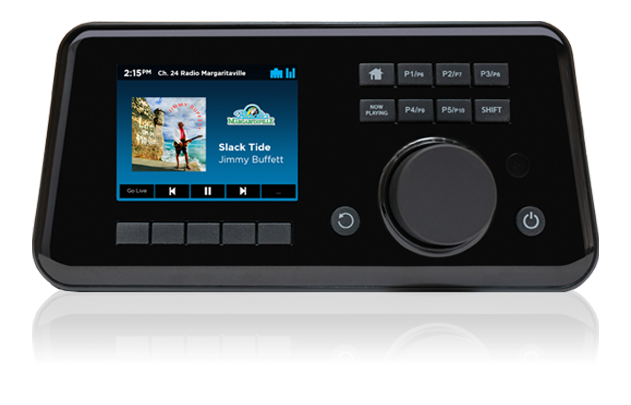
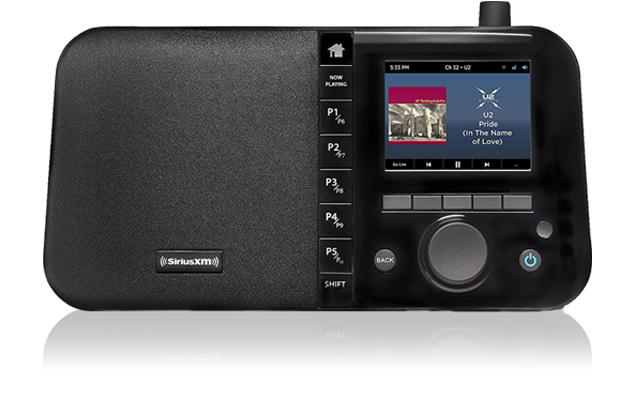
A business music provider like SiriusXM Music for Business simplifies everything. One account covers all the required licensing. You get professionally curated music designed for commercial spaces, hardware options if you need them, and peace of mind that you’re covered.
What to Look for in a Provider
A reputable business music provider will offer:
- Licensing coverage from all major PROs
- Reliable customer support (ideally U.S.-based)
- Control over stations, volume, and scheduling
- Easy setup and hardware options
- Music programming that fits your brand and clientele
If your provider can’t clearly confirm licensing coverage, that’s a red flag. Make sure it’s built into the service, not offered as a vague bonus.
Choosing a licensed music service like SiriusXM for Business means less paperwork, no legal stress, and more time for your customers. We make it easy to stay compliant and sound great every day.
Learn More:
Industry-Specific Music Licensing
Some businesses face more scrutiny than others, especially in industries where music is central to the customer experience. Licensing needs can vary depending on how music is used—background ambiance, live performances, and fitness classes all carry different licensing requirements.
Learn more:
Ready to Stop Worrying About Music Licensing?
Now that we have music licensing explained, here’s the next step. SiriusXM Music for Business takes the hassle out of compliance. With licensed channels built for commercial use, expert support, and options for every industry, you get great music without the legal risk. Whether you run a single location or manage dozens, we’ll help you find the right setup—fast. Let’s get your business covered.
Frequently Asked Questions About Music Licensing for Business
Interested in learning more about music licensing for business? These quick answers clear up some of the most common questions business owners ask before they sign up.
What is a music license for business?
A business music license gives you legal permission to play copyrighted music in a commercial setting. Without it, you risk fines from PROs like ASCAP, BMI, SESAC, or GMR.
Do I need more than one license?
In most cases, yes—no single PRO covers all artists. Many businesses need licenses from multiple PROs, or they use a licensed service like SiriusXM Music for Business that handles it all for them.
What’s the cost of a business music license?
It depends on your square footage, how often you play music, and the type of business you run. Direct licenses can cost hundreds per PRO annually, but bundled services like SiriusXM Music for Business offer full coverage as part of their monthly subscription fee.
How do I respond to a PRO notice?
Take it seriously. Contact the PRO directly or talk to a licensed provider right away. Ignoring it can lead to legal action and steep fines.
Related Articles

Business Streaming Services Compared
See how the major business music streaming services stack up.

Reviewing the Top Soundsuit Music Alternatives
Learn about Soundsuit’s main competitors.

Top Alternatives to Soundtrack Your Brand
Discover the best alternatives to Soundtrack Your Brand.