
























Background Music Strategy
10 Minute Read
The Smart Business Owner’s Guide to In-store Overhead Messaging
Walk into any thriving commercial space today, and you’ll notice something beyond the carefully curated music playing overhead—strategic, well-timed messages that feel like natural extensions of the brand experience.
In-store overhead messaging has evolved far beyond PA announcements and is now an impactful tool to drive sales, build brand identity, and improve customer experiences.
While digital screens compete for attention, audio messaging cuts through the clutter with immediate impact. For business owners looking to maximize every customer interaction, this guide will show you how to leverage overhead marketing.

Why Overhead Messaging Still Works
Despite living in an increasingly digital world, audio branding in stores continues to deliver measurable results that would make any marketing manager take notice. The reason is simple: audio engages customers without requiring them to stop what they’re doing, look up from their phones, or interrupt their shopping flow.
Sophisticated Approach
This isn’t the “elevator music” era of retail audio. Today’s in-store overhead messaging represents a sophisticated approach to customer communication that respects the shopping experience while delivering targeted, actionable information.
Modern systems integrate seamlessly with background music, creating natural transitions that feel conversational rather than intrusive. When a customer hears “Don’t forget to check out our new arrivals in the back corner” between their favorite songs, it registers as helpful guidance rather than aggressive advertising.
Incredible Value
The effectiveness stems from timing and context. Unlike digital ads that compete with countless other stimuli, overhead messages reach customers when they’re already in a buying mindset, physically present in your space, and primed to take action. Research indicates that 76% of purchasing decisions happen in-store, making the moment of audio contact incredibly valuable for influencing behavior.
What You Can Say Overhead
The versatility of in-store messaging strategies becomes clear when you see how different industries leverage audio communication to solve specific business challenges.
Retail Stores
Stores benefit from messages that guide shopping behavior and highlight opportunities customers might otherwise miss. Effective examples of retail messaging include “Flash sale on aisle 5—30% off all winter accessories for the next hour” or “Don’t forget to grab your loyalty member gift at checkout—it’s waiting for you!” These messages work because they provide immediate, actionable information that enhances the shopping experience rather than interrupting it.
Restaurants
Food service establishments and restaurants use overhead messaging to streamline operations while creating anticipation for menu items. Messages like “Order number 34, your pickup is ready at the counter” eliminate confusion and reduce wait times, while promotional announcements such as “Try our seasonal pumpkin spice latte—available for a limited time” can drive immediate sales.
Fitness Centers
Gyms and fitness centers leverage audio announcements to build energy and community while managing facility flow. Examples include “Spin class starts in 10 minutes—grab your water bottle and join us in Studio B” or “The stretch zone is now open for post-workout recovery.” These messages serve dual purposes: they provide practical information while reinforcing the active, community-focused culture that keeps members engaged.
Hotels and Spas
Overhead messaging in spas and hotels enhances guest experience and communicates important information without seeming pushy. Messages like “Check-out is at 11 a.m.—need a late checkout? Just call the front desk” provide helpful reminders, while promotional announcements such as “Your 20% spa coupon is active today—book your treatment at the front desk” can drive additional revenue.
The most effective examples of retail messaging share several characteristics: they’re conversational in tone, specific in their call-to-action, and timed to match customer behavior patterns. Messages should be clear enough to understand on first listen, brief enough to avoid fatigue, and spaced appropriately to maintain impact.
How To Get Started with Overhead Messaging
Understanding how overhead messaging works begins with recognizing that modern systems are far more sophisticated and user-friendly than traditional PA setups. The foundation of any successful program rests on four key components: hardware integration, content creation, scheduling capabilities, and compliance considerations.
Hardware
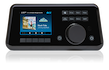
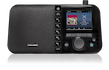
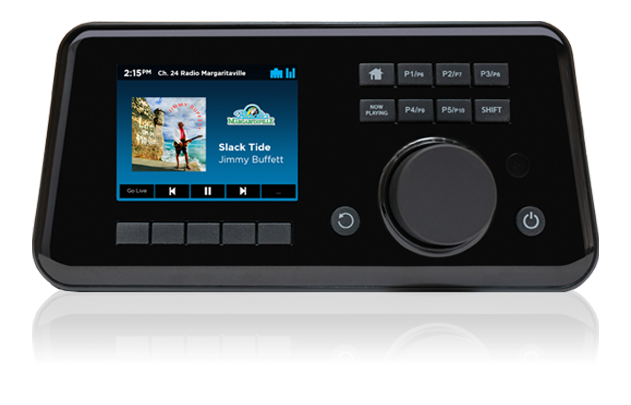
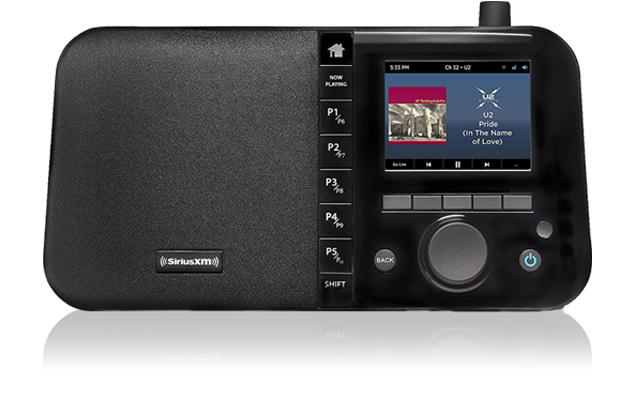
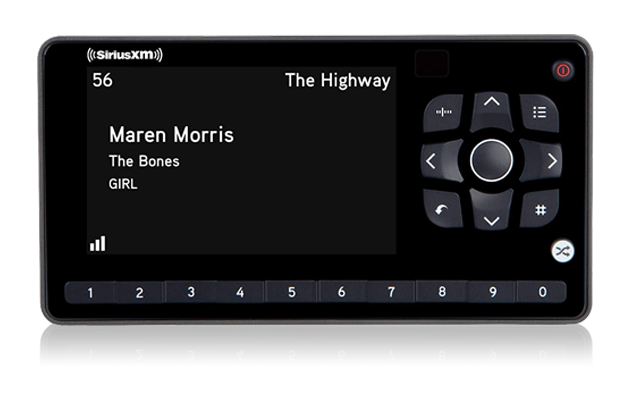
The requirements are simpler than most business owners expect. If you already use a professional background music service like SiriusXM Music for Business, your existing system can accommodate messaging features with minimal additional equipment. We can also provide a modern overhead messaging module that plugs directly into your established audio infrastructure, eliminating the need for complex installations or separate speaker systems.
Content Creation
Today’s in-store overhead messaging allows for flexible content creation to match different business needs and budgets. You can upload your own pre-recorded messages, which works well for businesses with in-house marketing teams. Alternatively, professional scripting and voice production services like those offered by SiriusXM Music for Business can handle everything from writing to final recording, ensuring polished, on-brand content that sounds professional and engaging.

Scheduling
Scheduling capabilities distinguish modern systems from simple announcement tools. Advanced platforms allow you to set different messages for different times of day, days of the week, or even specific locations if you operate multiple sites. This level of automation ensures your messaging stays relevant without requiring constant manual updates.
Live vs. Planned Scheduling
Whether you use live or scheduled messaging depends on your strategic purpose. Scheduled messages handle routine communications, running automatically according to your predetermined timeline. Live messaging capabilities allow real-time announcements about flash sales, special events, or immediate needs. The most effective systems offer both options, giving you consistency through automation and flexibility for spontaneous opportunities.
ADA Considerations
Compliance with ADA and audio accessibility guidelines represents an important consideration that responsible businesses can’t overlook. Overhead messaging should complement, not replace, visual information and signage. Messages should be clear, spoken at appropriate volume levels, and designed to be inclusive for customers with varying hearing abilities.
Choose the Right Overhead Messaging Provider
Selecting an in-store overhead messaging provider requires asking the right questions upfront to avoid limitations and unexpected costs down the road. The decision impacts your immediate messaging capabilities and your ability to scale and adapt as your business grows. Here are some essential questions to ask.
Do they handle scripting?
Some providers offer comprehensive content services, including professional scriptwriting that captures your brand voice, access to diverse voice talent, and full production capabilities. Others provide only the technical platform, leaving content creation entirely to you. Understanding this distinction helps you budget appropriately and ensures consistent, professional messaging quality.
Is music licensing included?
Professional providers should handle all licensing requirements for music and messaging content, protecting you from potential legal issues. Additionally, seamless integration with your background music ensures smooth transitions between songs and announcements, maintaining the professional atmosphere your customers expect.
Can I schedule messages or trigger them manually?
Advanced systems offer granular control over when and where messages play, allowing you to customize content for different locations, times of day, or special events. Manual override capabilities let you make real-time announcements for emergency information or spontaneous promotions.
What happens if I expand to more locations?
The best providers offer enterprise-level features like location-specific messaging, centralized content libraries, and reporting capabilities that let you manage multiple locations from a single dashboard.
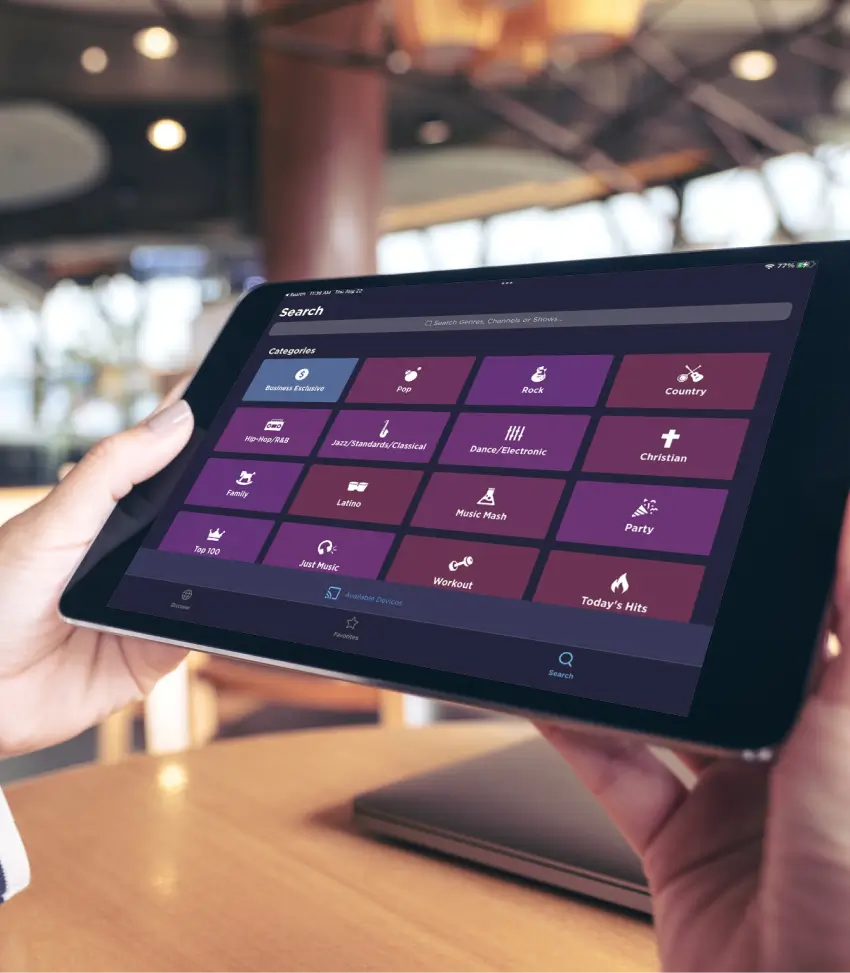
The SiriusXM Advantage: All-in-One Messaging & Music
SiriusXM Music for Business addresses these considerations comprehensively through our integrated approach to commercial audio solutions. Our in-store overhead messaging capabilities plug directly into our music platform, eliminating integration headaches while ensuring proper licensing for music and messaging content.
We offer professional content creation services and self-service options, giving businesses flexibility to match their resources and requirements. Our established program delivers reliability and ongoing technical support that keeps your messaging program running smoothly.
Tips To Maximize In-Store Audio Messaging
Successful in-store audio messaging requires strategic thinking about content, timing, and customer psychology. The most effective programs follow proven principles that maximize impact while maintaining positive customer experiences.
Keep It Short and Clear
Customers typically have 15 to 20 seconds of attention for overhead announcements. Your core message should be immediately understandable and contain only essential information. “Save 25% on all shoes today—find your perfect pair in our footwear section” communicates the offer, discount, and location efficiently.
Match the Message Tone With Your Brand Voice
A high-end boutique should maintain sophisticated, understated messaging, while a family entertainment center can embrace energetic, playful announcements. This consistency reinforces brand identity and helps customers feel confident they’re in the right place.
Rotate Regularly To Avoid “Message Fatigue”
Most successful businesses refresh their core messaging every two to three weeks, with seasonal updates and promotional changes happening more frequently. The goal is to maintain familiarity while providing enough variety to keep messages engaging.
Track Promotion Performance Linked to Messages
Monitor sales of promoted items during message campaigns, ask customers how they heard about special offers, or use unique promotional codes mentioned in overhead announcements. This data helps refine your messaging strategy and justify the investment.
Don’t Overdo It—Spacing Matters
Messages should feel like natural parts of the customer experience rather than constant interruptions. Most effective programs limit announcements to two or three per hour during peak times, with longer intervals during slower periods when customers have more attention available.
Start Small, Scale Smart
The beauty of modern in-store overhead messaging lies in its scalability and low barrier to entry. You don’t need to transform your entire customer communication strategy overnight or invest in complex systems before understanding what works for your business and customer base.
Starting with a single location allows you to test messaging strategies, refine your content approach, and measure real business impact before expanding to additional sites. This measured approach helps you identify the most effective message types, optimal timing, and appropriate frequency for your industry and customer demographics.
Modern overhead messaging represents a sophisticated evolution of in-store communication that respects customer experience while delivering measurable business results.
Explore In-store Overhead Messaging With SiriusXM
Want to see how in-store overhead messaging can enhance customer experience and drive business results? Learn more about our comprehensive messaging solutions that integrate seamlessly with your existing audio system and grow with your business. Discover how easy it is to get started with our overhead messaging service.
Frequently Asked Questions
As more businesses discover the power of in-store overhead messaging to enhance customer experience and drive sales, questions naturally arise about various issues. Here are some common things people want to know.
How loud should overhead messages be, and are there legal requirements?
Message volume should be conversational—loud enough to be clearly understood but not intrusive or overwhelming. Most systems offer automatic volume adjustment based on ambient noise levels. While there aren’t specific federal regulations for commercial messaging volume, you should comply with local noise ordinances and ensure messages don’t exceed comfortable listening levels.
How do I prevent my messages from annoying customers or feeling too “salesy”?
The key is providing value rather than just pushing products. Focus on helpful information like store navigation (“Find our seasonal items in the back corner”), service announcements (“Our coffee bar is now open”), or genuine benefits (“Save time at checkout with our mobile app”). Keep a 70/30 ratio of helpful content to promotional messages, and always maintain a tone that matches your brand personality.
Should I use different voices for different types of messages?
Consistency is generally more important than variety when building brand recognition. Choose one primary voice that represents your brand well and use it for most messages. You might consider a secondary voice for special announcements or seasonal content, but avoid frequent voice changes that could confuse your brand identity. The voice should align with your customer demographic and brand positioning.
Can overhead messaging work in small businesses, or is it only for large retailers?
Overhead messaging is highly scalable and can be extremely effective for small businesses. A local coffee shop announcing daily specials or a boutique highlighting new arrivals can create intimate customer connections that larger retailers struggle to achieve. The key is choosing content that reflects your business’s unique personality and local community ties.
Related Articles

Guide to Choosing the Best On-Hold Music
Get actionable tips on identifying the right on-hold music for your brand.

What’s the Most Affordable Streaming Service for Business?
Find an in-depth analysis of the cost of various business streaming services.

Can I Play Spotify or Apple Music in My Business?
Discover the dangers of using your personal streaming account in your business.